Understanding the Connection Between Posture and Back Pain
The Importance of Good Posture
Maintaining good posture is crucial for overall health and well-being. It not only affects how we look but also plays a vital role in preventing back pain. When your posture is correct, your body is aligned, reducing the strain on muscles and ligaments. This alignment helps to support the body evenly and efficiently.
Unfortunately, many people overlook the importance of posture until they start experiencing discomfort or pain. Addressing posture issues early can save a lot of trouble down the road. Understanding the connection between posture and back pain is the first step towards alleviating these issues.
How Poor Posture Leads to Back Pain
Poor posture can lead to a variety of back problems. When you slouch or hunch over, it puts extra pressure on the spine, leading to misalignment. This misalignment can cause muscle tension and pain, as certain muscles have to work harder to support the body.
For example, sitting for long periods with poor posture can result in a condition known as "text neck," where the neck is strained from looking down at a screen. This can lead to chronic pain if not addressed. Similarly, poor standing posture can affect the lower back, leading to discomfort and pain.

Signs of Poor Posture
Recognizing the signs of poor posture can help you make necessary adjustments. Some common indicators include:
- Rounded shoulders
- Forward head posture
- Inward or outward tilting pelvis
- Back pain, especially in the lower back
- Muscle fatigue and tension
If you experience any of these symptoms, it might be time to evaluate your posture habits and make necessary changes.
Improving Your Posture
Improving posture involves a combination of awareness, exercise, and lifestyle changes. Here are some tips to help you get started:
- Be mindful of your posture: Regularly check your posture, especially when sitting or standing for long periods.
- Strengthen core muscles: Exercises like planks and bridges can help support your spine.
- Use ergonomic furniture: Invest in chairs and desks that support healthy posture.
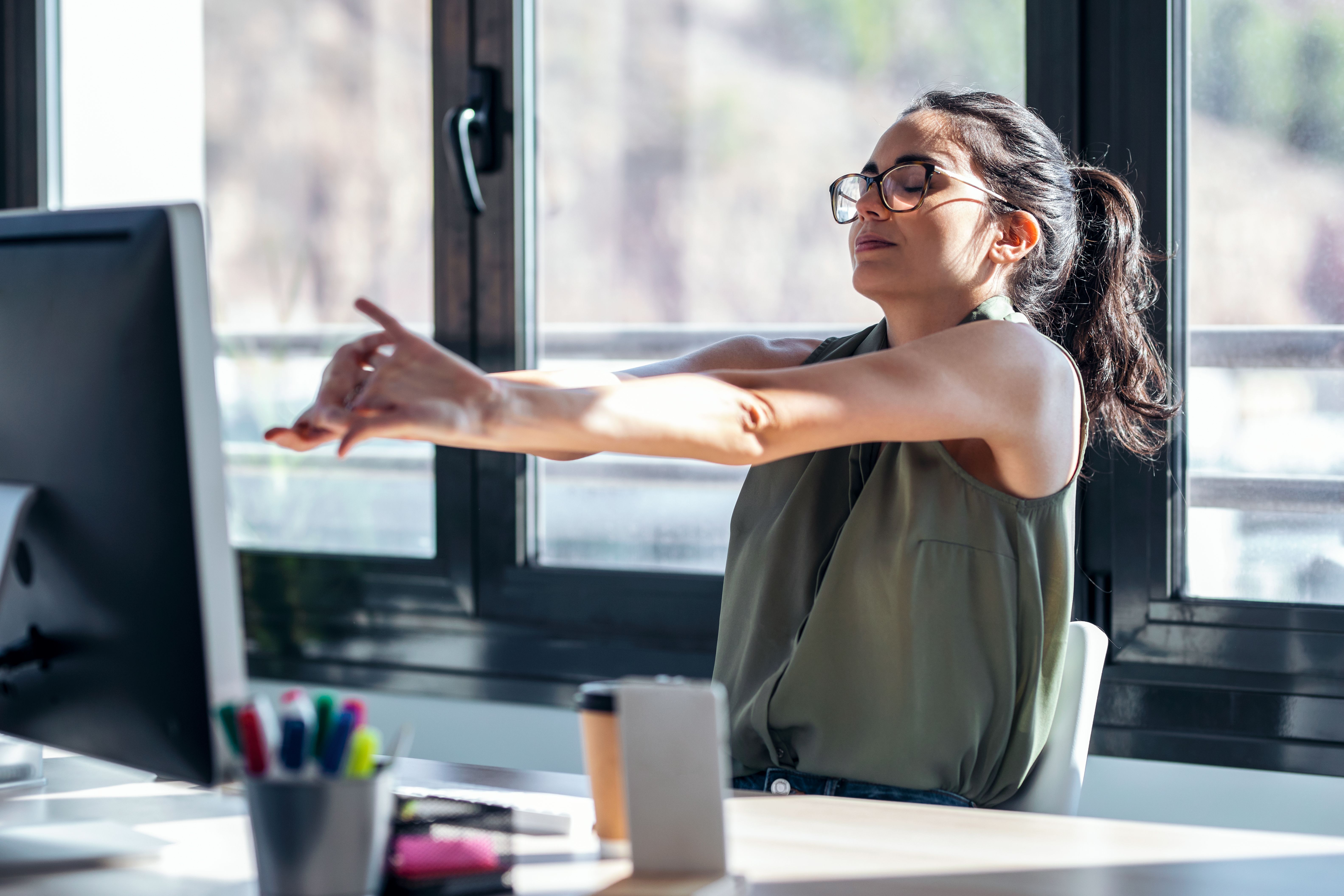
- Take frequent breaks: Stand up and stretch every hour to reduce strain.

The Role of Exercise and Stretching
Exercise plays a crucial role in maintaining good posture and preventing back pain. Strengthening exercises target the core, back, and shoulder muscles, providing necessary support to the spine. Stretching helps to alleviate muscle tension and improve flexibility.
You don't need to spend hours at the gym. Simple exercises and stretches done consistently can make a significant difference. Incorporating activities like yoga or Pilates can also be beneficial for posture improvement.
Conclusion
Understanding the connection between posture and back pain is essential for maintaining a healthy and pain-free life. By being mindful of your posture, making lifestyle changes, and incorporating regular exercise, you can significantly reduce the risk of developing back pain.
Remember, it's never too late to start taking care of your posture. Small changes can lead to big improvements in your overall well-being.